How to Identify Quality Standards on Supplement Labels
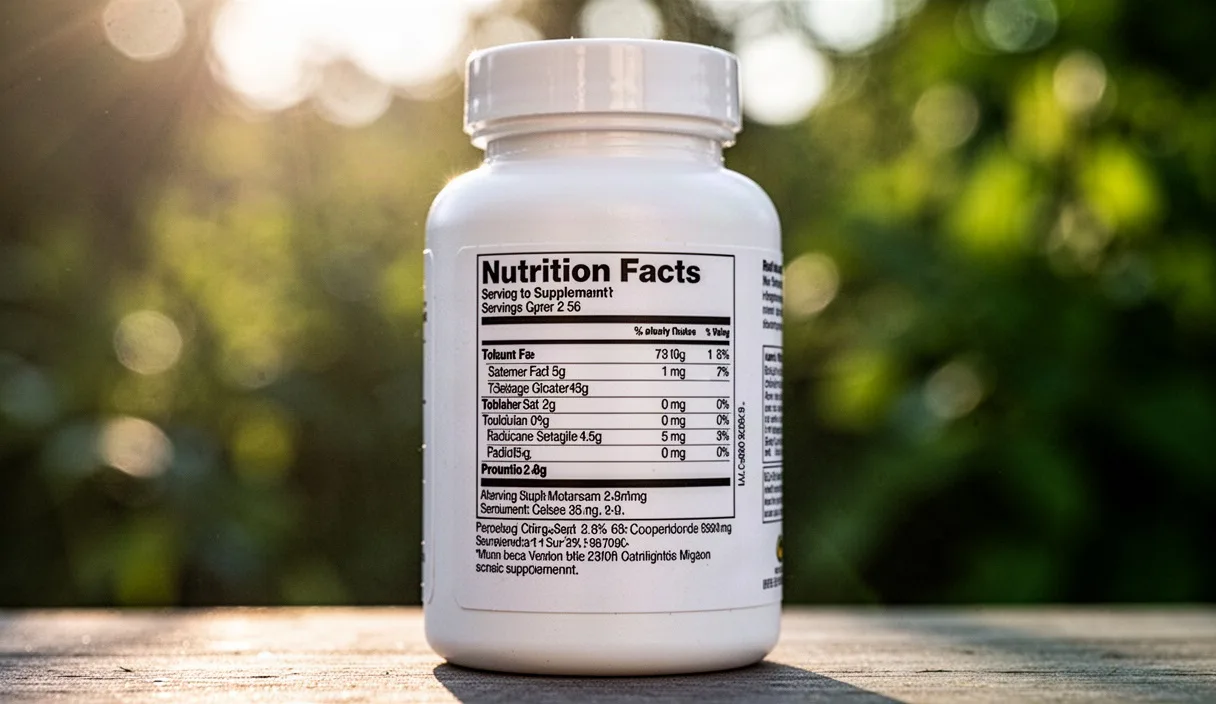
The front of a supplement bottle serves marketing purposes. The back panel displays factual specifications. Quality appears in the details of the ingredient list, the dosing, and the independent verification marks. Reading these sections protects your budget and your health. Consult a physician or registered dietitian before adding new supplements to your routine.
Decoding the Ingredient Statement
Turn the bottle to the Supplement Facts panel. Look at the specific chemical form of each nutrient. Quality products name the exact compound in parentheses. For example, a label lists magnesium as magnesium bisglycinate chelate rather than generic magnesium oxide. It lists vitamin B12 as methylcobalamin instead of cyanocobalamin. It lists folate as L-methylfolate rather than synthetic folic acid. These forms demonstrate conscious formulation choices by the manufacturer.
Check the elemental weight of the minerals. A label might state 500 mg of calcium citrate. The actual elemental calcium provides only 105 mg. Reputable brands clearly state both the compound weight and the yield of the active mineral. Review the list of other ingredients below the main panel. This section contains excipients, binders, and flow agents. Look for minimal additives like rice flour or cellulose. Avoid artificial dyes, titanium dioxide, and hydrogenated oils.
Spotting Proprietary Blends and Low Doses
Search the panel for terms like energy complex, vitality blend, or matrix. Manufacturers use proprietary blends to group multiple ingredients under a single collective weight. A label might show a 450 mg blend containing ten different herbs. The manufacturer lists the ingredients in descending order by weight. The panel withholds the exact milligram count for each item. This practice often conceals therapeutic ingredients present in negligible amounts.
Compare the listed milligram amounts against standard amounts used in clinical research. Follow these guidelines when reviewing active contents:
- Confirm that botanical extracts specify standardizations, such as ashwagandha standardized to 2.5% withanolides.
- Look for full disclosure of individual doses, such as 200 mg of CoQ10 rather than a shared blend.
- Avoid products where active herbs appear at micro doses below 10 mg per serving.
Verifying Third-Party Testing Seals
Dietary supplements do not require pre-market approval from government agencies. Independent testing programs audit manufacturing facilities and verify bottle contents. Look for official certification marks printed on the packaging. Recognized testing organizations include the United States Pharmacopeia, NSF International, and the Banned Substances Control Group. Each organization maintains a public online directory. Enter the brand name into their database to verify active certification. A genuine seal confirms that the product contains the declared ingredients without heavy metals, microbials, or unlabeled stimulants.
Review the lot number and expiration date stamped on the bottom of the container. A clear lot code indicates systematic batch tracking by the facility. When a product passes each of these checks, note the exact formulation details. Take the bottle or label image to your next healthcare appointment to confirm that the nutrient doses align with your individual blood work and health profile.
2026's Top 10 men's vitamin supplements